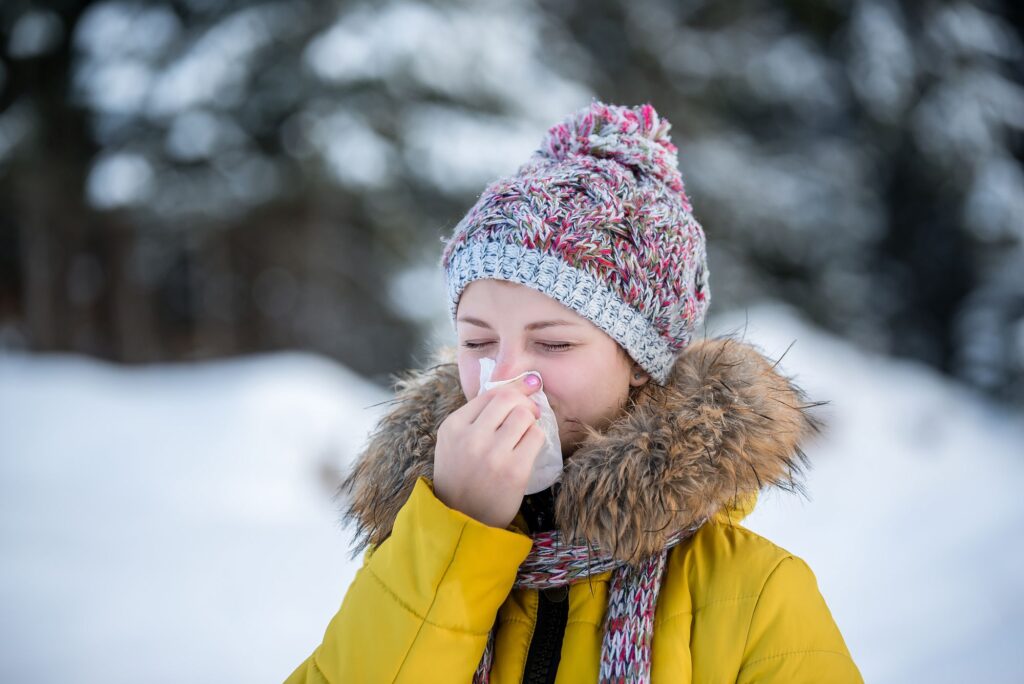
Cold weather affects the body in many different ways. In addition to increasing circulation of illnesses like flu: it can also bring on or worsen heart and lung conditions.
Some people - including those with chronic health problems and those who are older or very young - are more likely to be affected by the cold. Deaths typically rise shortly after the onset of cold weather, and death rates can remain elevated for up to 4 weeks after a cold snap. Deaths from infections such as pneumonia tend to follow in the weeks afterwards.
Is hypothermia the main risk from the cold?
Hypothermia, a dangerous fall in core body temperature, accounts for only a small proportion of deaths during cold weather. Around 50 deaths are directly caused by hypothermia in the UK each year, according to the Office for National Statistics. Considerably more people die from heart and lung conditions brought on or worsened by the cold.
How does cold affect the heart?
When you become cold, your body works to keep your core temperature steady at around 37.5° C. To maintain this temperature, your blood pressure rises and this means your blood becomes more prone to clotting. If you have a pre-existing condition, it’s possible for a clot in a blood vessel of the heart to cause a heart attack, and a clot in the brain can cause a stroke. After the onset of cold weather, deaths from cardiovascular conditions are seen first, followed by deaths from stroke and then from respiratory conditions.
Why are coughs, colds and flu more common in winter?
Several factors combine to make them more common:
- People spend more time indoors, often with windows closed. This makes it easier for viruses to pass from person to person.
- Cold, dry air dries out the lining of the nose and throat, including the tiny hairs that help to clear germs, so viruses can pass through more easily.
- Some viruses thrive in colder conditions. Rhinoviruses, which cause the common cold, replicate better in the cooler environment of the nasal cavity. Flu viruses remain more stable and infectious in cold, dry air.
- Exposure to cold can suppress the immune system and constrict the airways, which increases mucus production in the respiratory system. This raises the risk of bronchitis and pneumonia.
Other infections, including norovirus, also become more common in winter due to increased time spent indoors, in poorly ventilated spaces, and also because the virus survives better in the cold.
Does the temperature have to be freezing to cause harm?
No: cold weather can affect your health even when temperatures are above freezing. Outdoors, health effects can begin to be felt at an average temperature anywhere between 4°C to 8°C, which many people would consider cold but not freezing. Indoors, the evidence indicates that below 18°C is when the body begins to show adverse effects. Risk also accumulates with the number of days spent at moderately cold temperatures, not only on the coldest days.
What about falls and injuries?
Our strength and dexterity can decline in the cold, and for those with arthritis, symptoms can worsen in cold, damp homes. Snow and ice add to the risk of slips and falls outdoors, and emergency hospital admissions for falls on snow and ice increase as temperatures drop. For older people, a fall can have life-changing consequences.
Are there other risks in the home during cold weather?
Two are particularly important.
Carbon monoxide can be produced by faulty, poorly maintained or poorly ventilated boilers and by other heating and cooking appliances. Poisoning is more common in winter. Symptoms include headache, dizziness, confusion and fainting. Around 25 people a year still die from it in England and Wales.
Damp and mould develop when moist air condenses on the cold surfaces of an inadequately heated home. Mould can worsen asthma and contribute to respiratory infections, and it is associated with poorer mental health.
Who is most at risk?
People aged over 65, young children and people with heart or lung conditions are at greatest risk. People with dementia or Alzheimer's disease are also vulnerable, as they may not recognise that they are cold. Those on low incomes and living in poor-quality housing are affected disproportionately. In one study of older patients treated for hypothermia, most lived in relatively deprived areas.
What can I do to stay well?
- Heat your home, or the rooms you spend more time in, to at least 18°C.
- Try not to sit still for more than an hour or so. Movement keeps the blood circulating and helps to prevent clotting. If you are unable to move around, even small movements like flexing your fingers and toes will help.
- Check the weather forecast, sign up for Met Office alerts and plan ahead, for example by collecting prescriptions and buying groceries before a cold spell.
- Keep bedroom windows closed at night.
- Wear multiple layers of thinner clothing – this could keep you warmer than one thicker layer.
- Have your boiler and appliances serviced regularly.
- Try to reduce draughts, for example by fitting draught excluders at home.
- Find out whether you are eligible for financial help with heating costs. You do not need to be receiving other benefits to qualify for some support.
Visit our keeping warm and well guidance for more information.
How can I help others?
Check on older neighbours, relatives and friends, particularly those with a health condition and make sure they are coping with the colder weather.
If you are worried about your own or someone else’s health, contact your local pharmacist, your GP or NHS 111, who will all be able to offer advice and support.