This blog post was last updated on Wednesday 13 May 2026.
This article is about an ongoing outbreak and will be updated regularly.
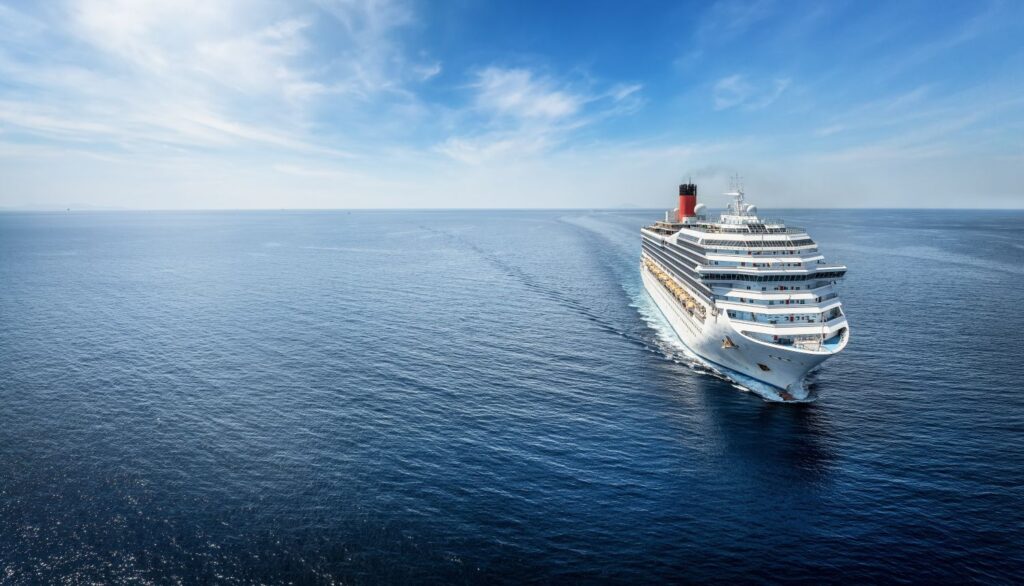
The UK Health Security Agency (UKHSA) is monitoring and providing public health advice about an outbreak of hantavirus linked to the Dutch cruise ship MV Hondius. Sadly, 3 foreign nationals have died in connection with the outbreak, however, the risk to the public is very low as hantavirus is not spread through everyday social contact. Find out more about hantavirus on our explainer blog post.
The ship arrived in waters off Cape Verde on 3 May, with a number of British nationals on board and then sailed to Tenerife where it arrived on 10 May. Checks were carried out by medical staff of all passengers and crew on board before they disembarked.
UKHSA worked closely with the Foreign, Commonwealth and Development Office (FCDO), the World Health Organization (WHO), other UK public health agencies and international health partners to support the response. WHO have been publishing detailed updates on their website.
Why does the response look so serious if the public risk is very low?
Andes hantavirus is a serious disease and is classed as a high consequence infectious disease (HCID) in the UK. As a result, you may notice that extra precautions are being taken. This is because our HCID protocols automatically require a higher level of caution.
The virus is not usually highly transmissible between people, and both the World Health Organization and UKHSA have assessed the risk to the public to be low. UKHSA has robust and well-established protocols in place to prevent onward transmission and to keep the public protected.
What type of hantavirus has caused this outbreak?
Hantavirus is the name given to a group of viruses carried by rodents and transmitted by their droppings and urine. The type of virus in this outbreak has been confirmed as Andes hantavirus by the National Institute for Communicable Diseases, South Africa and the Geneva University Hospitals, Switzerland. Most hantaviruses do not spread between humans, but person-to-person transmission has happened with the Andes virus strain in rare cases.
How did the British nationals return to the UK?
The UK Government worked with international partners to ensure that all British nationals who were due to return to the UK from the MV Hondius arrived back safely.
British nationals arrived from Tenerife into Manchester airport on 10 May on a dedicated flight. Strict infection control measures were in place throughout the journey, with passengers, crew, drivers and medical teams wearing appropriate personal protective equipment including face masks. The passengers were then transferred by private coach to an isolation facility at Arrowe Park Hospital on the Wirral, where they have been undergoing clinical assessment and testing
Are the passengers required to isolate?
Passengers will isolate for 45 days from their last exposure, with regular testing and care provided by UKHSA and the NHS. The UK Government will ensure those self-isolating are given the appropriate support as needed.
How is testing for hantavirus being handled?
PCR tests have been used at Arrowe Park to test both blood samples and throat swabs. All passengers have been tested even if they have no symptoms, to allow us to detect cases before they become unwell.
After leaving Arrowe Park the passengers will isolate at home or if this is not possible to do safely, in an alternative location. For the full duration of their monitoring period, UKHSA Health Protection Teams will carry out supportive daily checks by phone or text message to confirm that contacts have no symptoms, check their temperature, and make sure they are well.
If any of the passengers test positive or begin to develop symptoms of the virus, they will be taken to a specialist infectious diseases centre where they can receive appropriate care.
What is UKHSA's role in the outbreak?
We are actively monitoring the situation and are supporting the passengers’ clinical and public health assessment and isolation.
UKHSA has worked with the public health teams in devolved administrations and UK Overseas Territories to trace any individuals who had potential high-risk contact with cases and will remain in close contact with these individuals for 45 days from the potential exposure.
We are also working closely with the FCDO, the Home Office, and Border Force to trace further individuals who may have been on the same flight as a confirmed case, in order to carry out public health risk assessments and ensure appropriate precautionary measures are in place.
Should I be worried about rodents in the UK?
All rodents, including pet and wild animals, can carry bacteria and viruses that can cause infections in people. The Andes virus is typically associated with South American rodent species that are not found in the UK. Andes virus has never been seen in the UK rodent population. In the UK, we do occasionally see cases of a different strain called Seoul hantavirus, which is carried by both wild brown rats and pet rats. Seoul hantavirus does not spread between people. UKHSA guidance on reducing the risk of infection from pet rodents remains unchanged.
Will there be a lockdown?
There is no reason to consider large-scale public health interventions of this nature. All British nationals who were on board the MV Hondius have been monitored at Arrowe Park hospital and those who had previously disembarked or had contact with a case overseas or on a flight have been followed up through established contact tracing processes. Andes virus is spread through very close contact, and is not spread through everyday social contact such as in public spaces. Therefore, the risk to the wider UK public is very low.
Our focus is on the individuals who are currently unwell, and those who may have been directly exposed to the virus on the cruise ship or during recent travel. For anyone not associated with the outbreak, there is no cause for concern, and no need to isolate or take other precautions.
What should I do if I think I may have been exposed?
It is highly unlikely that you will have been exposed to this virus. Public Health teams will contact you directly if there is any risk that you have been exposed.
If you have been in contact with someone who has been identified as a contact of a person with hantavirus, you do not need to take any action and can continue your normal activities.