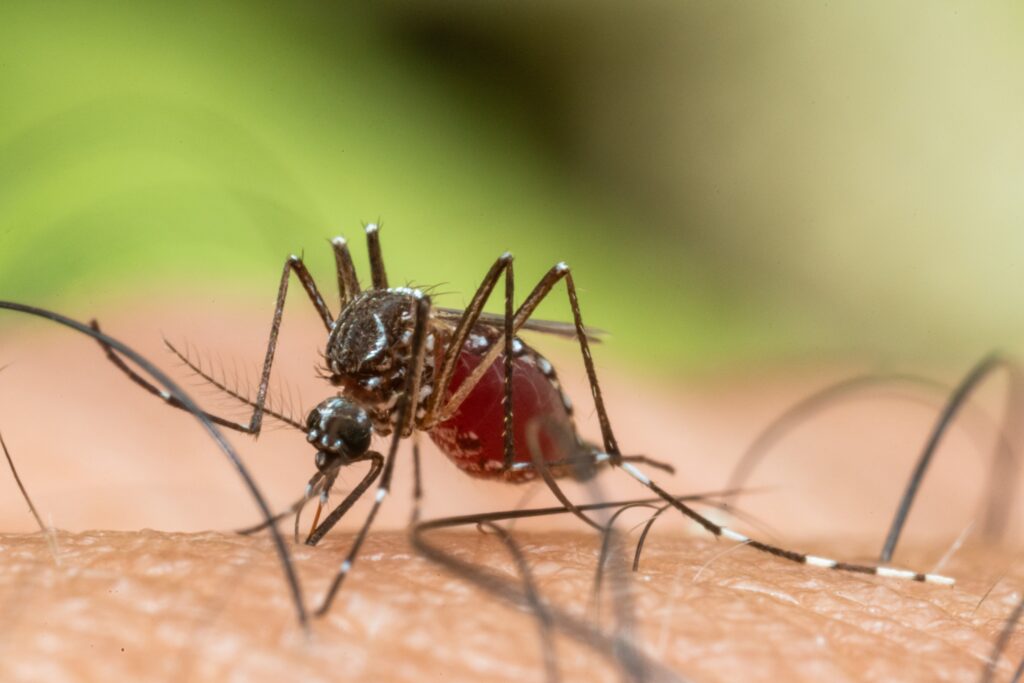
The UK Health Security Agency (UKHSA) has detected Aedes aegypti mosquitoes and larvae at residential properties in East London. It is the first time this species has been found breeding in the UK, and the fourth modern-day detection of Aedes aegypti in the country overall. The initial finding was reported through UKHSA's Mosquito Watch surveillance scheme. Control measures have already been implemented to destroy the larvae and reduce the risk of further breeding, and we continue to monitor the area closely.
What is Aedes aegypti?
Aedes aegypti, sometimes called the yellow fever mosquito, is found across tropical and subtropical regions of the world. It's capable of transmitting diseases including dengue, chikungunya, yellow fever and Zika virus in places where those infections are already circulating, and where the weather can support transmission. It does not carry malaria.
The species thrives in warm, tropical climates and has historically struggled to adapt to the UK's temperate weather, and to survive our winters. For this reason, it is not expected to become permanently established in England, and has not managed to survive the winter anywhere in northern Europe. However, mosquitoes can adapt quickly. Early detection and swift control measures remain essential.
How worried should I be?
The risk to the public from this finding is assessed as very low. There is no evidence that these mosquitoes have caused any human infections, and to date there's no evidence of the mosquitoes or larvae being found in nearby public areas.
Invasive mosquitoes typically arrive in the UK by hitchhiking in vehicles, baggage or imported plants. Despite the evidence of breeding in this local area, and recent heatwaves, Aedes aegypti is not established in the UK and cannot survive long-term in the UK's overall climate, which remains too cold. The only places these mosquitoes currently survive in Europe are in some localities in the Mediterranean. That said, UKHSA expects that as the climate warms, incursions of invasive mosquitoes including the tiger mosquito, Aedes albopictus, and reports of them surviving here for longer periods, will continue.
How does UKHSA monitor for invasive mosquitoes?
UKHSA's Medical Entomology and Zoonoses Ecology (MEZE) team coordinates invasive mosquito surveillance across England, working closely with local authorities and port health teams. Surveillance has been running since 2010 and focuses on high-risk sites likely to receive cross-Channel traffic, including airports, ports, service stations and distribution centres, as well as in urban areas with a suitable climate.
The main monitoring tool is the ovitrap: a water-filled trap designed to attract egg-laying female mosquitoes. These are checked biweekly between June and October, when mosquito activity is at its highest, and any samples collected are sent to UKHSA for analysis.
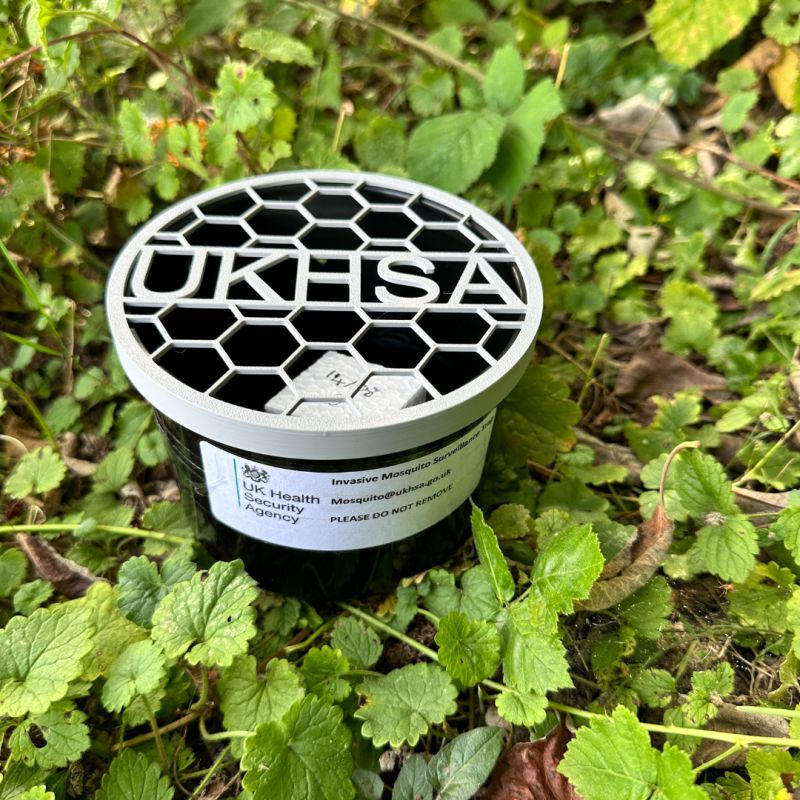
If invasive mosquito eggs are found, UKHSA entomologists and Environmental Health Officers follow the National Contingency Plan for Invasive Mosquitoes. This involves inspecting a 300-metre radius around the site for potential breeding grounds, such as puddles, buckets and tyres, and removing, draining or treating them. Adult mosquito traps are deployed to monitor the area, with targeted treatments used if larval mosquitoes are detected. Local teams also work with residents and businesses to raise awareness and reduce standing water, with monitoring continuing for several weeks to ensure the mosquitoes don't spread further.
A further surveillance method includes the Mosquito Watch programme – a citizen science scheme that receives images of nuisance biting mosquitoes.
What can I do to help?
As a precaution, people can reduce opportunities for all species of mosquitoes to breed by removing standing water from gardens and outdoor spaces. This includes removing water collecting in buckets, containers, paddling pools, plant pots, blocked drains, bins and other discarded items, as well as fitting proper lids to water butts; all of which can harbour mosquito breeding.
If you spot a mosquito, you can help UKHSA's surveillance efforts by reporting it through the Mosquito Watch scheme. Mosquito Watch helps UKHSA fill gaps in data on the distribution of British mosquitoes, understand nuisance biting incidents, and detect invasive species early.
You can report a sighting using the online form, and you can also post physical specimens. If sending mosquitoes by post, live specimens should first be placed in the freezer for 10 minutes to kill them, then packed into a crush-proof container and sent along with the reference number generated by the online form. Mosquitoes from different locations should be placed in separate, labelled containers.
Note that UKHSA does not routinely test submitted mosquitoes for pathogens and cannot provide advice on mosquito-borne illnesses through the scheme.