England leading the world: New Tobacco Control Plan sets the bar high
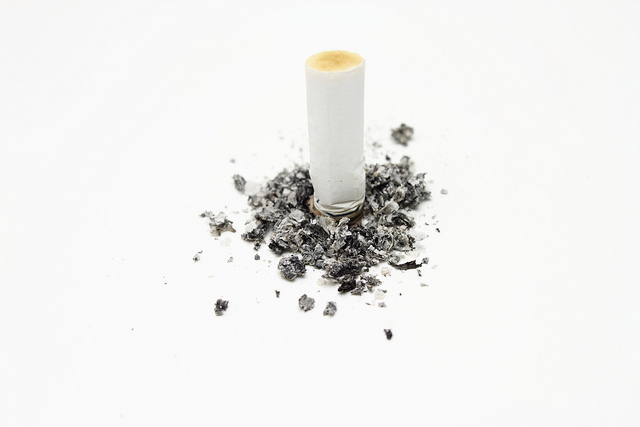
We are at a pivotal point in our fight against tobacco where an end is now in sight, and as the plan aspires, a smokefree generation a reality.
Posts about the work of the Health and Wellbeing directorate
We are at a pivotal point in our fight against tobacco where an end is now in sight, and as the plan aspires, a smokefree generation a reality.

For young people who are affected by child sexual exploitation (CSE), the consequences can be profound and long-lasting.
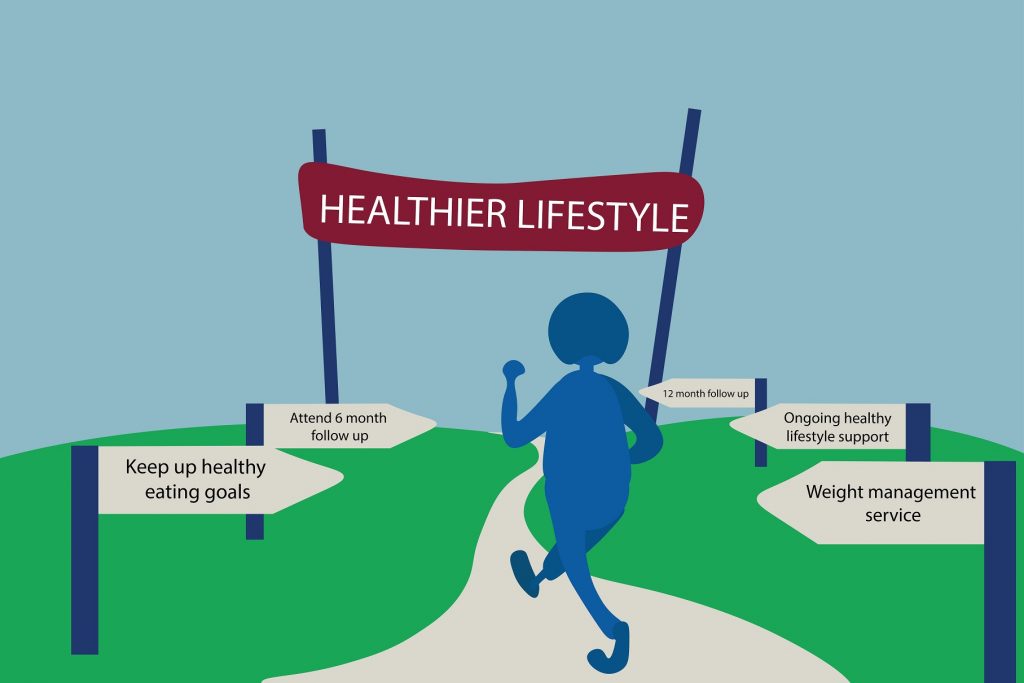
Obesity is caused by a complex set of personal, social and environmental factors. It can come with a number of associated health consequences, all of which can have a huge impact on the individual, as well as the people around …
An individual’s journey towards self-awareness and self-identification of their sexual orientation or gender identity can happen at different stages of life.
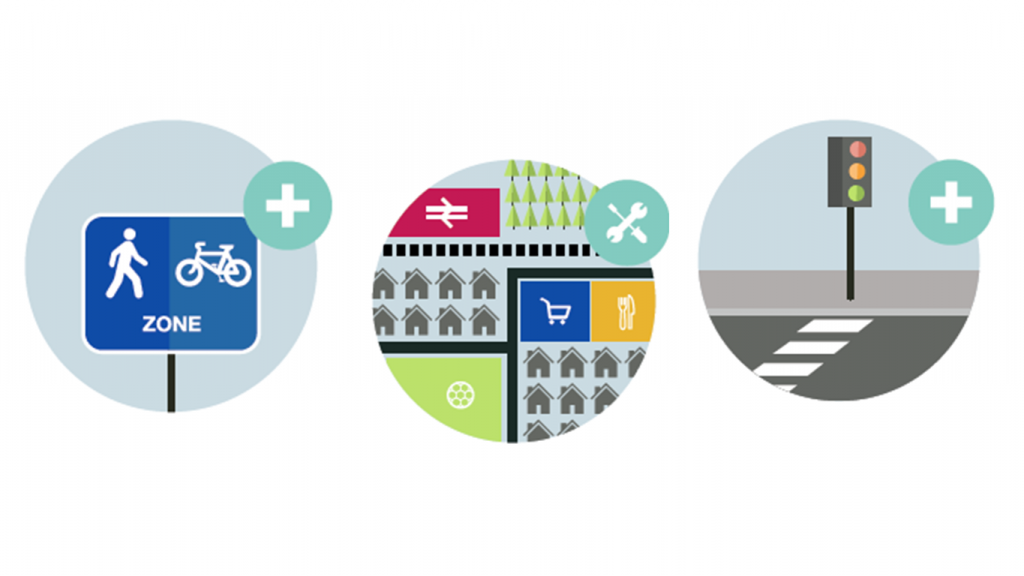
We know that the environment we live in has a huge impact on our health. But did you know the WHO estimates that 23% of global deaths are due to modifiable environmental factors?

Lesbian, gay, bisexual and trans individuals, like anyone, will experience mental health challenges and distress during their lifetime. However the evidence both from the UK and internationally highlights increased levels of common mental health problems, such as depression, anxiety and …

Too often the discussion of lesbian, gay, bisexual and trans (LGBT) health inequalities doesn’t drill down enough to look at the needs of the individual communities.

Being yourself at work is key to being able to achieve both your personal and professional potential.

Protecting the health of young people is vital and to do this we need to understand as much as possible about the issues young people are facing. To help with this, we’ve published three new reports which focus on what …
New data on smoking prevalence among adults (18+) in England for 2016 show the biggest drop in a decade with the rate falling to 15.5% of the population, a 1.4 percentage point drop from 16.9% the previous year. But what …