Early signs suggest that flu season may be starting earlier this year. According to our winter virus surveillance data, flu activity throughout September has been higher than in the same period over the past 4 winters. While levels remain at baseline, meaning still relatively low overall, the upward trend if it continues in the coming …
Rates of COVID-19 continue to fluctuate throughout the year, and people have asked how the most common current lineages - or groups of genetically similar viruses - compare to previous COVID-19 variants.
Respiratory syncytial virus (RSV) is a major respiratory virus that is most common over the winter period, typically November to February. Most cases are mild, but RSV can be serious, especially for infants and older adults.
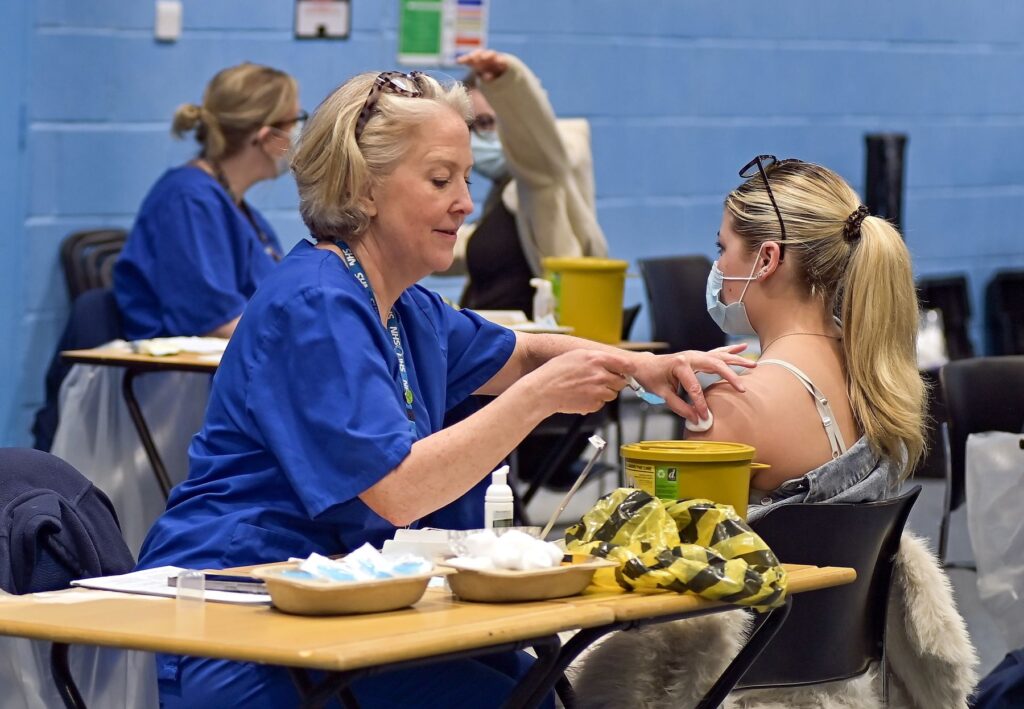
When autumn comes, protection from any earlier COVID-19 vaccination you may have had will be starting to wane. For those who are more likely to become seriously ill from COVID-19, the NHS offers a free vaccine in the autumn, previously known as the 'Autumn Booster'.
As children head back to school and we move closer to winter, now is a good time to familiarise ourselves with some of the common illnesses that can cause disruption to children’s time in school during the colder months.
Flu season is approaching, and some people can already book their free NHS flu vaccine. Here's everything you need to know about who can get vaccinated this year, what's changed since last autumn, and whether you need to be concerned about the so-called ‘Super-K strain’ that circulated last season.
Many vaccines need more than one dose to provide protection. This blog post explains why multiple doses are sometimes needed, how vaccine schedules are determined, and what the evidence says about staying protected.
As we move into spring, protection from any earlier COVID-19 vaccination you may have had will be starting to wane. For those who are more likely to become seriously ill from COVID-19, the NHS offers a free vaccine in the …
This blog post was first published during an outbreak of meningococcal disease (MenB) in Kent. It explained what to do, where you could get antibiotics if you were affected and who was being offered a vaccine.
Measles is highly contagious, so even a small decline in vaccine uptake can lead to a rise in cases. There has been a resurgence of measles in England, and around the world, in recent years.