
Preparing for future health threats starts long before a virus makes the headlines. That’s why UKHSA works with partners around the world to study emerging pathogens and identify key gaps in knowledge and research. Our work on Oropouche, just one of the global viruses our scientists are monitoring, shows what this approach looks like in practice, and how it helps us strengthen preparedness long before any threat reaches the UK.
What is Oropouche?
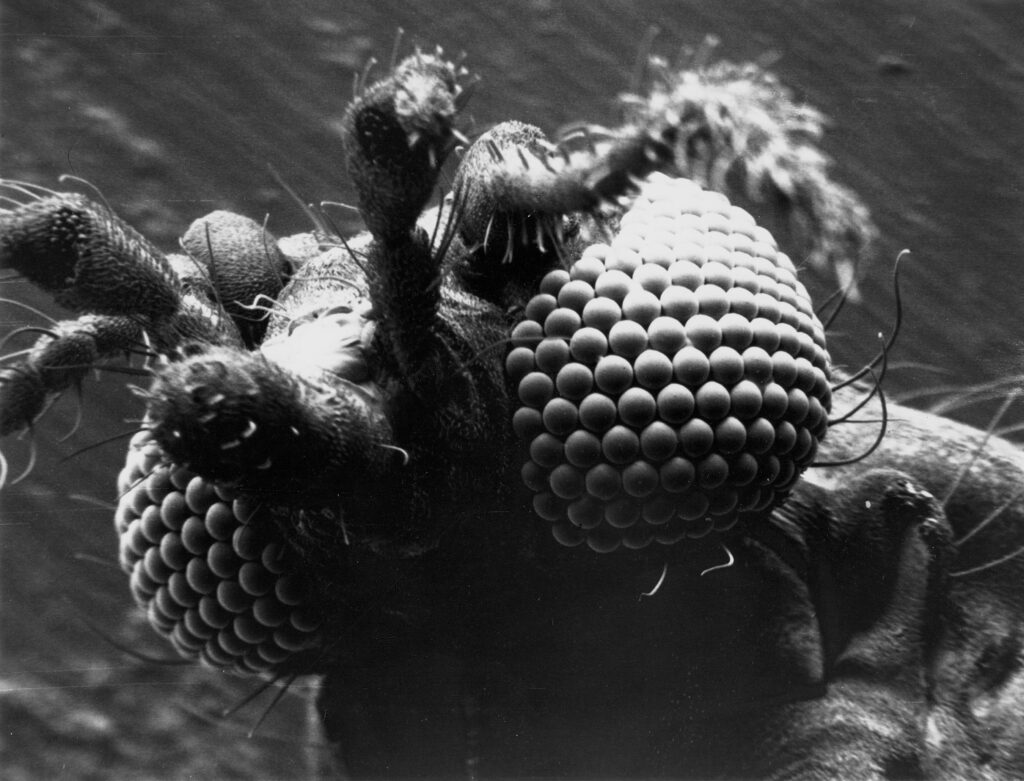
Oropouche is an emerging virus that is mainly spread by the Culicoides paraenis midge, which is common in parts of the Americas but not present in Europe. While some mosquito species may also contribute to transmission, the evidence for their role is incomplete. The virus causes sudden the onset of a feverish illness and in 2024 and 2025 it has been detected in higher numbers across affected regions.
We detected the first imported UK cases in 2025 among travellers returning from Brazil. While the virus doesn’t currently pose a significant threat here, seeing an imported case in the UK is a reminder that infectious diseases don’t respect borders.
Shaping the global research agenda
In 2024, UKHSA was commissioned by the World Health Organization (WHO) to coordinate two Collaborative Open Research Consortia (CORCs) focused on five viral families of potential risk, including the peribunyaviridae family of which Oropouche is a member. The aim of the CORCs is to improve collaboration between experts worldwide and support funders to focus investments on research and development priorities that secure public health against potential future outbreaks.
As part of this ongoing work, UKHSA has published a development roadmap on behalf of WHO, setting out priorities such as establishing reliable diagnostics, developing new research methods for examining how the virus spreads and affects the body, and laying the groundwork for vaccine development. UKHSA’s Science Evidence Review Team also created a rapid evidence gap map to highlight where research is most needed.
What the evidence review found
Our review identified 269 research studies on Oropouche, which were mostly observational studies and laboratory investigations into viral genetics and behaviour.
Three priority areas for further investment emerged:
- Medical countermeasures: developing and trialling treatments and vaccines represents a significant opportunity to strengthen our response capability
- Host immune protection: building a clearer picture of what drives immunity will be essential to informing both clinical management and future vaccine design
- Public health and social measures: developing the evidence base around vector control and prevention strategies is an important area where targeted research investment can make a real difference.
Why this matters for pandemic preparedness
Our focus on Oropouche is important because it gives us the scientific foundations we need to respond quickly if the virus ever emerges as a significant public‑health threat
By identifying research gaps early and helping funders target investment, we can move faster when a threat increases. This approach is already delivering results: the UK Vaccine Network has agreed to fund Oropouche model development at our Porton Down Laboratory, an essential step towards future vaccine testing. By having models already established, the UK can pivot quickly to developing countermeasures, supporting global surveillance, and informing public‑health advice if the virus begins to spread internationally.
A template for other threats
Oropouche is just one of many viruses and other pathogens that we monitor. We are developing similar research roadmaps for other viral families, including arenaviridae and phenuiviridae, of which Lassa virus and Rift Valley fever virus are prototype pathogens. This family-based approach means we can rapidly focus global expertise when a new threat emerges.
Our priority pathogen reference tool now covers 24 viral families. By strengthening networks and filling research gaps today, we are helping ensure the UK, and the world, is better prepared for whatever comes next.
Read the full UKHSA Science Review
Want to know more? Explore the full picture of our scientific work in 2025, including this project and many others.