The work we are doing on birth defects
This World Birth Defect Day we can reflect on an important achievement in England: the establishment of a single, national, system for registering birth defects, which we prefer to call congenital anomalies.
This World Birth Defect Day we can reflect on an important achievement in England: the establishment of a single, national, system for registering birth defects, which we prefer to call congenital anomalies.
Rare disease day falls on the last day of February every year.

We have previously written about the focus that Public Health England is putting on making the economic case for prevention and this is manifesting itself practically through the development of a series of Return on Investment (RoI) Tools for locals …
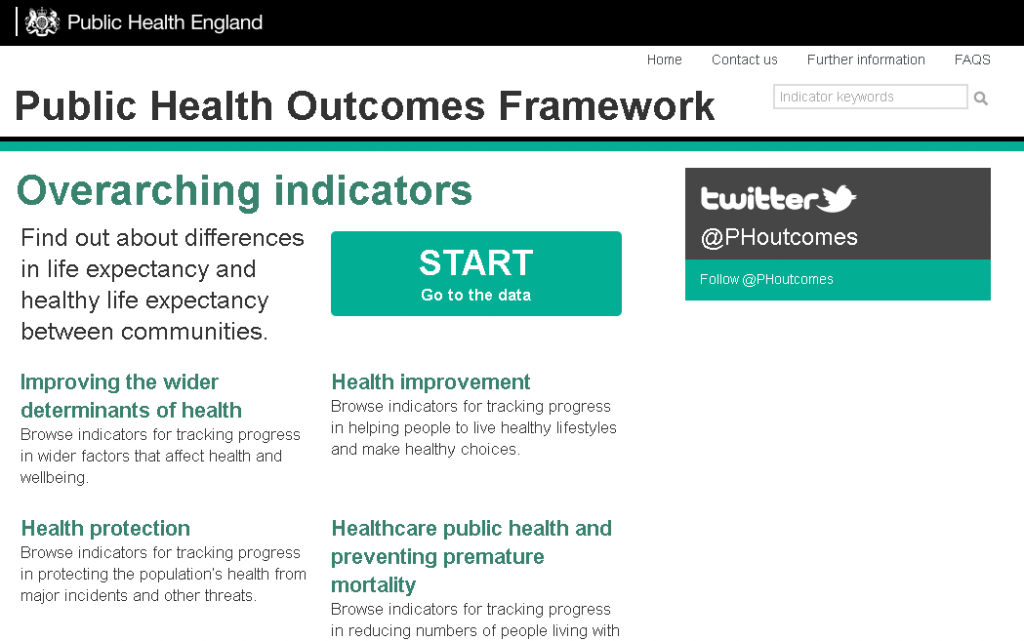
We are often asked why the data we publish in the Public Health Outcomes Framework (PHOF) webtool is not current. For example, in early 2018, why is 2015 the latest data we have available on under 18 conceptions and 2016 …

Safeguarding children and young people is about ensuring that their welfare is looked after. This includes keeping them safe from harm, abuse and maltreatment, and that they grow up with safe and effective care.

As we approach the end of Child Mental Health Week, we reflect on the Government and PHE’s commitment to improve young people’s mental health. Around half of all mental health problems start before the age of 14 and we know …

Public Health England and our partners have launched a consensus statement Policing, Health and Social Care: working together to protect and prevent harm to vulnerable people. We developed it with policing and public health organisations to provide a focus for …
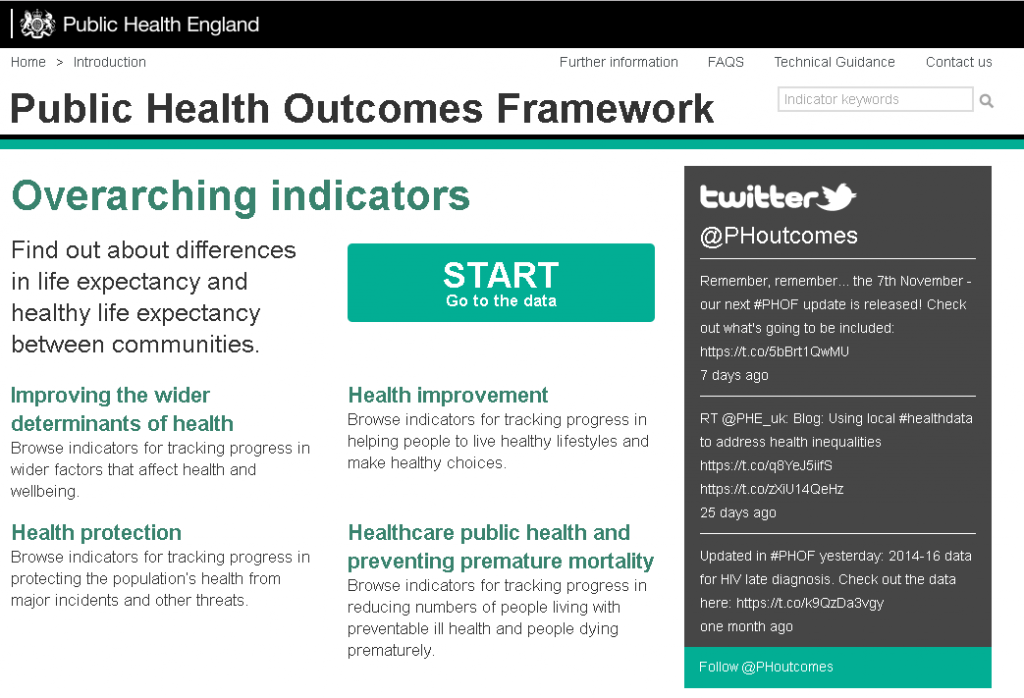
This is the latest in a series of blogs summarising what we learn each time we update the Public Health Outcomes Framework (PHOF). The PHOF sets out a vision for public health, desired outcomes and the indicators that will help us …

The 2016-17 statistics report for people receiving drug and alcohol treatment in prisons and other secure settings in England shows similar patterns to what we have recently seen in community treatment.

It’s been one year since the launch in the House of Lords of “Rebalancing Act”: a resource developed by PHE, Home Office and Revolving Doors Agency, to support a broad range of local, regional and national stakeholders in understanding and …