Our scientists are tracking influenza (flu) and other respiratory viruses and they need your help. Join our FluSurvey UK-wide citizen science programme and contribute directly to protecting the nation’s health this winter.
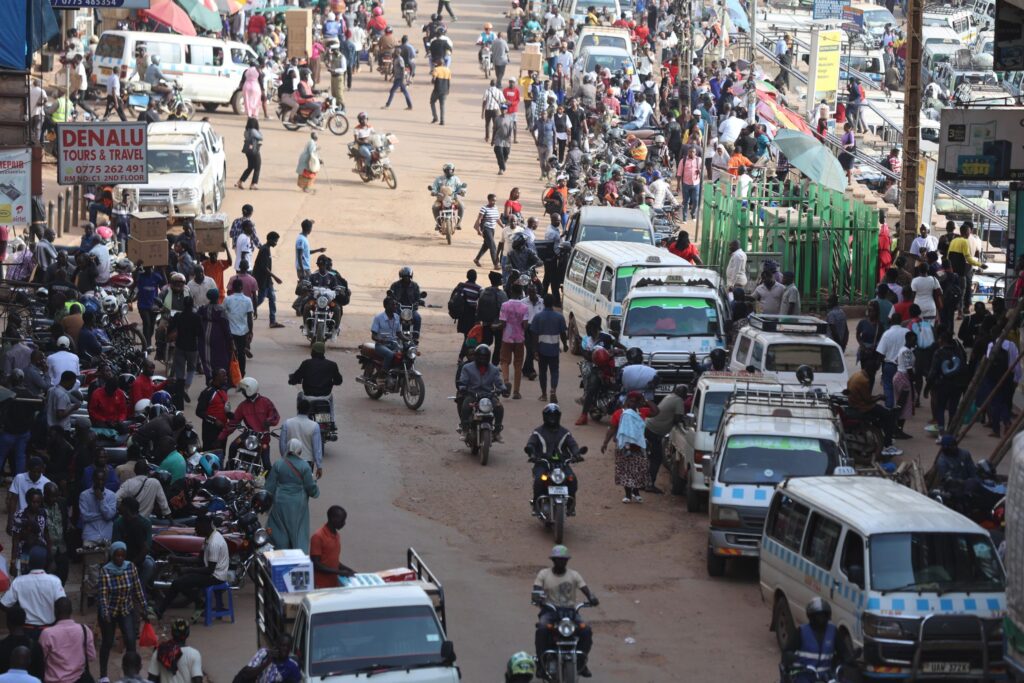
Ebola has been in the news since the World Health Organization's declaration of a public health emergency of international concern on 17 May 2026, for an outbreak affecting the Democratic Republic of the Congo and Uganda. This blog post outlines what the disease is, how it spreads, and what it means for the UK.
Group A streptococci (GAS), also referred to as strep A, are common bacteria. Some of us carry strep in our throats and on our skin and it doesn’t always result in illness. However, GAS does cause infections, some mild and some more serious.
Early signs suggest that flu season may be starting earlier this year. According to our winter virus surveillance data, flu activity throughout September has been higher than in the same period over the past 4 winters. While levels remain at baseline, meaning still relatively low overall, the upward trend if it continues in the coming …
Rates of COVID-19 continue to fluctuate throughout the year, and people have asked how the most common current lineages - or groups of genetically similar viruses - compare to previous COVID-19 variants.
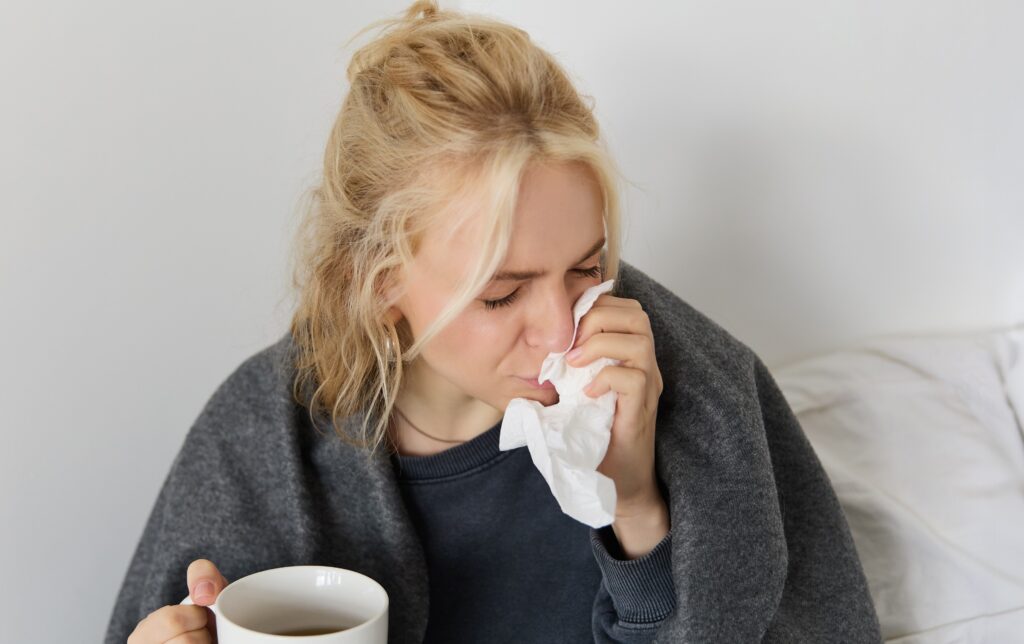
'Freshers' flu' is a common name for a collection of cold viruses that typically spread rapidly when students arrive at university. It's unpleasant but rarely serious, though sometimes it may be genuine flu. Flu is more than just a bad cold and can be particularly serious for people with long-term health conditions, even when those …
The wastewater that we send from our toilets towards sewage treatment plants every day is potentially rich in data about our health. For the past 4 years, UKHSA has been monitoring wastewater across England for signs of polio, and over the past year has been testing new technologies to detect other potential threats. The next …
Scarlet fever is a childhood illness that some might associate with the past, but it remains fairly common in the UK. In recent years, there has been a noticeable increase in cases. Here, we answer the most common questions about scarlet fever, what to look out for and how to reduce its spread.
Respiratory syncytial virus (RSV) is a major respiratory virus that is most common over the winter period, typically November to February. Most cases are mild, but RSV can be serious, especially for infants and older adults.
When autumn comes, protection from any earlier COVID-19 vaccination you may have had will be starting to wane. For those who are more likely to become seriously ill from COVID-19, the NHS offers a free vaccine in the autumn, previously known as the 'Autumn Booster'.